
No products in the cart.
Most Profitable Liquidation Pallets to Buy: A Clever Guide to Cash-Flow from Bargain Bins
Most Profitable Liquidation Pallets to Buy: A Clever Guide to Cash-Flow from Bargain Bins
If you’re hunting for a steady stream of inventory without breaking the bank, you’ve probably heard the term liquidation pallets. The right pallets can turn a small investment into a reliable profit loop. In this guide, we’ll uncover the truth about the Most Profitable Liquidation Pallets to Buy and give you practical steps to pick winners, minimize risk, and scale your profits.
What makes liquidation pallets so compelling?
Liquidation pallets are bundles of customer-returned, overstock, or discontinued items sold in bulk by manufacturers, distributors, and retailers. They’re not charity; they’re smart inventory management. If you know how to read a pallet’s potential, you can land products with solid resale value, fast turnover, and healthy margins.
The key promise: more upside with fewer sunk costs than buying single units at full price. The catch: you need savvy sourcing, careful inspection, and disciplined selling.
Most Profitable Liquidation Pallets to Buy: the core categories
Not all pallets are equal, and profitability varies by category, condition, and demand. Here are the categories that tend to offer the best odds of high margins and quick turnover:
1) Electronics and accessories (refurbishable)
- Why it’s profitable: High demand, repeat customers (phones, headphones, smart home gear).
- What to look for: unopened or lightly used items, intact packaging, easy-to-test items, returns with minor cosmetic flaws.
- Caveat: temper your expectations on high-value items; customers often want warranties or returns policies. Electronics Mystery Pallet Box
2) Home and kitchen appliances (return-to-sales potential)
- Why it’s profitable: Everyday utility items move fast; people buy replacements quickly.
- What to look for: small appliances with intact cords and plugs, minor cosmetic damage that doesn’t affect function.
- Caveat: check safety certifications and get a quick test run if possible. Amazon Customers Return Pallet
3) Beauty and personal care (high velocity)
- Why it’s profitable: Consumables and trending brands move rapidly; high perceived value.
- What to look for: sealed or near-sealed items, non-expired stock, no damaged safety seals.
- Caveat: regulatory requirements for cosmetics can bite; verify expiration dates. Perfume Pallet
4) Toys and seasonal merchandise (timely demand)
- Why it’s profitable: Seasonal demand spikes; clearance periods often yield good margins.
- What to look for: unopened packaging, popular licenses or evergreen toys.
- Caveat: seasonal stock can tie up cash if mis-timed. Assorted Toys Wholesale Pallet
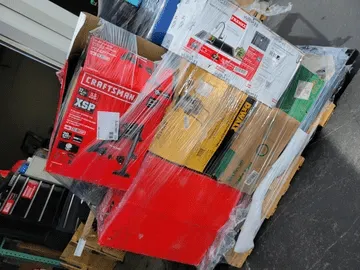
5) Home improvement and tools (consistent demand)
- Why it’s profitable: Durable goods with broad appeal; garage and workshop enthusiasts are loyal buyers.
- What to look for: unopened or lightly used tools, non-marring cosmetic damage, warranty cards present.
- Caveat: condition matters a lot; avoid tools with safety recalls. Home Decor Sale Pallet
6) Fitness and outdoors (lifestyle brands)
- Why it’s profitable: Niche communities, repeat buyers, robust demand for essentials.
- What to look for: brand-name items, clean packaging, near-new condition.
- Caveat: worn logos or altered branding can reduce resale value. Gym Shark Cloths Pallet
7) Apparel with branding and sizing variety (fast-turn)
- Why it’s profitable: Easy to ship, scalable, generous margins on popular sizes.
- What to look for: good condition, no stains or odors, factory defect disclosure.
- Caveat: counterfeit risk—stick to reputable brands and verify authenticity. Dewalt Tools Pallet
Strategies to identify the Most Profitable Liquidation Pallets to Buy
- Know your niche: Specialize in a category you understand, so you can quickly gauge value and condition.
- Read the pallet mix: Some auctions label pallets as “assorted electronics” or “household goods.” Look for pallets with a higher proportion of near-new items or items with small cosmetic flaws.
- Favor quality signals: Items with intact packaging, manufacturer UPCs, and clear model numbers tend to resell faster and for more.
- Inspect the return policies: Some sellers offer “sellable” pallets with minimal damage; others are riskier. Favor transparent disclosures.
- Check historical sell-through: If possible, review past pallets from the same seller to gauge average profitability and defect rates.
How to evaluate a pallet before you buy
- Visual scan: Look for obvious red flags—water damage, large dents, missing critical components, signs of tampering.
- Read the fine print: Check item counts, conditions, and the percentage of new vs. used items.
- Prioritize testability: Pallets with many items that can be tested quickly (electronics that power on, sealed cosmetics) tend to yield higher profits.
- Estimate labor and risk: Factor in inspection time, potential returns, and shipping. A pallet might look cheap but require expensive refurbishing or disposal.
Calculating the potential profit
- Average sell price (ASP) = expected price per item after resell.
- Expected salvage value = what you could fetch if items can’t be sold as-is.
- Net profit = (Sum of ASPs for sold items) + salvage value − purchase price − refurbishment/shipping costs − time.
- Break-even horizon: Estimate how many days it will take to clear inventory. Faster turnover improves profitability, especially if margins are slim.
Case study snapshot (fictional, for illustration)
- Purchaser buys a mixed electronics pallet for $3,000.
- 60% of items test and resell at average $40 each; 10 items are high-value and resell at $150 each; 15 items require minor refurbishing at $15 each.
- Estimated revenue = 0.6items40 + 10150 + 1515 = profit range depends on item counts; after refurb costs and fees, the net margin lands around 25-40% with a 4–6 week turnover.
Minimizing risk and maximizing margin
- Diversify pallets: Don’t rely on a single category; spread risk across two or three categories with solid demand.
- Partner with reputable suppliers: Build relationships with liquidators who provide transparent item-level descriptions and return data.
- Create a value chain: Have testing stations, refurbishment tools, and a costed plan for re-packaging and listing.
- Leverage platforms that fit your scale: Online marketplaces, e-commerce storefronts, and local channels all have different fee structures and speeds.
Common mistakes to avoid
- Overpaying due to hype: Look beyond the first glance; a bargain can become a loss if many items are unsellable.
- Ignoring condition details: Minor cosmetic flaws can kill resale value in high-demand categories.
- Skipping due diligence: Not verifying brand authenticity or safety certifications can lead to returns and reputational damage.
- Underestimating operational costs: Storage, shipping, and refurbishment can erode margins if not planned.
Conclusion: finding the Most Profitable Liquidation Pallets to Buy
The path to consistent profitability with liquidation pallets lies in smart selection, disciplined refurbishment, and fast, value-driven listing. Focus on categories with reliable demand, test items thoroughly, and build a repeatable process that minimizes risk. With careful screening and execution, you can turn a modest upfront investment into a steady stream of profitable sales—the essence of discovering the Most Profitable Liquidation Pallets to Buy.